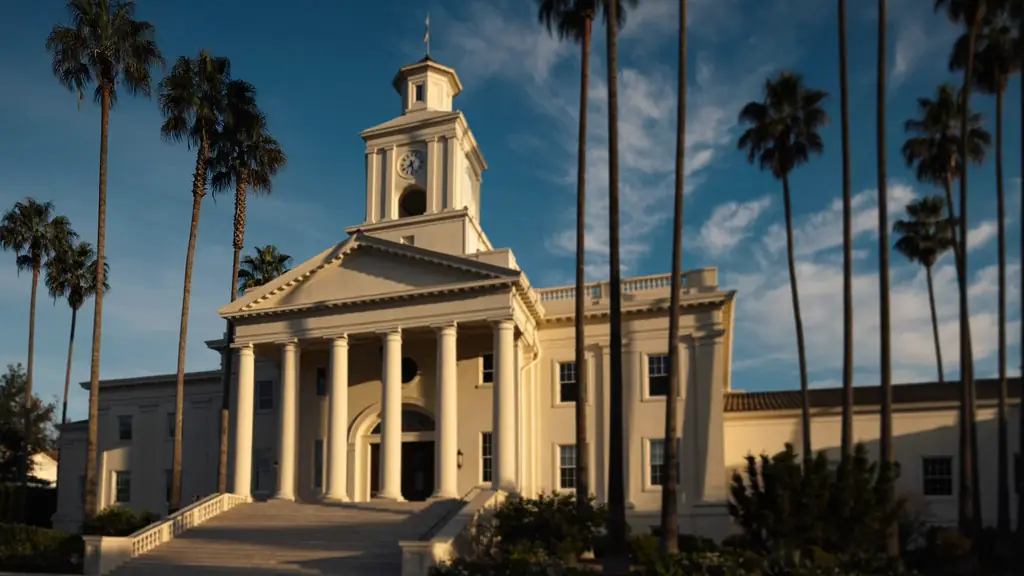
Gulf County title insurance and the local market
Gulf County sits on the Forgotten Coast between Panama City and Apalachicola, with Port St. Joe as its seat. Cape San Blas and the St. Joseph Peninsula draw vacation home buyers, while Wewahitchka sits inland along the Dead Lakes and the Apalachicola River. Hurricane Michael hit hard in 2018, and Port St. Joe rebuilt much of its housing afterward. One quirk surprises newcomers: Gulf County sits in two time zones, Eastern in the south and Central around Wewahitchka.
The U.S. Census Bureau estimated Gulf County's population at 15,943 on July 1, 2025, up about 12.3% from 14,198 at its April 2020 base.
What we watch for in Gulf County
Two time zones on closing day
Port St. Joe runs on Eastern time, but Wewahitchka runs on Central time. When a seller signs in Wewahitchka and the buyer funds from Port St. Joe or out of state, a one-hour gap can push a wire past a bank's cutoff. So we put the time zone next to every signing and funding deadline on Gulf County files. It sounds minor, but it has delayed more than one closing in the area.
Cape San Blas erosion
Parts of Cape San Blas have lost a great deal of beach to erosion, and some homes now sit much closer to the water than when they were built. Before buying, check whether the home lies seaward of the state's coastal construction control line and what permits any future repairs would need. We also read the plat for beach access easements and look at the flood zone, because insurance on the cape can cost a lot.
Rebuilt homes in Port St. Joe
After Michael, many Port St. Joe homes were rebuilt or replaced. That work produced permits, contractor contracts and, in some cases, liens. We review recorded claims of lien and confirm each one was released or expired. If a permit remains open, we ask the seller to close it out before the buyer's lender gets involved.
Wewahitchka and the Dead Lakes
Wewahitchka sits on the Dead Lakes, a cypress-filled lake along the Chipola River, and the town is known for tupelo honey. Homes there range from older houses to fishing cabins and manufactured homes. Many lots near the water sit in flood zones. We check the flood map and the survey, and we confirm legal access for parcels on dirt roads.
Port St. Joe's new neighborhoods
Port St. Joe has added new subdivisions and homes since Michael, some built by large developers. Several of those communities have homeowners associations with recorded covenants and architectural rules. We collect each association's estoppel letter and read the covenants for rental limits. If a community has a special district, we list its assessment too.
Recording in Gulf County
The Gulf County Clerk of Court records deeds in Port St. Joe and offers an online official records search. We e-record most documents on the funding day. Then the clerk's index shows the recorded deed, and the agency issues the final owner's policy. Because of the time zone split, we schedule recording deadlines using Eastern time, which the clerk's office follows.
St. Joseph Peninsula State Park
St. Joseph Peninsula State Park protects the northern tip of the cape. Private homes south of the park sit on narrow land between the bay and the Gulf. Those homes face erosion, high flood risk and state coastal rules. We check the flood zone and read any recorded beach access easements.
Overstreet and the canal
Overstreet, north of Port St. Joe, sits along the Intracoastal Waterway. Rural homes there sit on larger lots, some in flood zones. We confirm access and check the flood map. Since the area sits near the time zone line, we confirm which zone applies to signings.
Where Gulf County records live
Deeds, mortgages, liens and judgments for Gulf County sit in the official records kept by the Gulf County Clerk of the Circuit Court & Comptroller. Our examiner searches that index and reads the document images, going back at least thirty years and further when the property passed through probate or foreclosure.
The Gulf County Property Appraiser publishes the assessed value, exemptions and legal description, which we compare against the deed. Then the Gulf County Tax Collector shows whether this year's and prior years' taxes are paid. Florida owners pay property taxes in arrears each fall, so the seller credits the buyer at closing for the part of the year the seller owned the home.
A seller who claimed homestead should expect the buyer's bill to rise, since the Save Our Homes cap resets after a sale. Our guide to selling homestead property in Florida covers the rest.
Cities and communities in Gulf County
Our partner agency closes in Port St. Joe, the county seat, and in every community below, including unincorporated areas the list leaves out.
Next door, we also close in Bay County, Calhoun County, Liberty County and Franklin County.
What Gulf County title insurance costs
Florida sets title insurance premiums by rule in Florida Administrative Code 69O-186.003, so every agent charges the same premium for the same coverage. The owner's rate runs $5.75 per $1,000 up to $100,000, then $5.00 per $1,000 up to $1 million, $2.50 per $1,000 up to $5 million, $2.25 per $1,000 up to $10 million and $2.00 per $1,000 beyond that.
So on a $400,000 home the owner's premium comes to $2,075. A lender's policy issued at the same closing usually adds a $25 simultaneous-issue charge plus any endorsements the lender wants. Try our Florida title insurance calculator for your own numbers, and read Florida title fees for the search and settlement charges that sit beside the premium. When the seller's owner's policy is less than three years old, the reissue rate of $3.30 per $1,000 up to $100,000 can lower the bill.
Florida also taxes the deed at $0.70 per $100 of the price, which is $2,800 on a $400,000 sale. A new mortgage adds $0.35 per $100 in note stamps and 0.2% in intangible tax, under rules the Florida Department of Revenue publishes.
If a loan is part of the purchase, Mortgage Capital's guide to home loans in Gulf County explains the programs local buyers compare before they apply.
Who pays for the owner's policy in Gulf County
By local custom the seller pays for the owner's policy in Gulf County, as in most of Florida, and the buyer pays for the lender's policy when financing. Still, custom is only a starting point: the contract decides, and either side can agree to pay.
Either way, the policy protects the owner against covered title defects for as long as they own the property. Our explainer on what title insurance covers walks through the details.
From contract to recorded deed
Gulf County closing questions
Ready to start? Open a title order or contact us with questions about a Gulf County property.