
Escrow closing services are the structural spine of every Florida real estate transaction, and one of the least understood pieces of the closing process. Buyers and sellers see the earnest money deposit go in, see the settlement statement at the end, and rarely look at what happens in between. The truth is that escrow is what makes the entire deal safe. It is the legal mechanism that holds funds and documents in trust by a neutral third party until every condition of the contract is satisfied. Here is how escrow closing services actually work in Florida. This covers what the escrow agent does on your behalf from contract through recording. It also covers why no experienced buyer or seller exchanges money and documents directly.
What Escrow Closing Services Actually Cover
Escrow closing services involve a licensed third party (in Florida, almost always a title company or a real estate attorney's trust account) acting as the neutral intermediary between buyer and seller.
The escrow agent takes in the buyer's earnest money and holds it in a regulated trust account. As closing approaches, the agent accepts the buyer's closing funds and the lender's wire. Then it verifies every contract contingency and runs the closing itself. Afterward it disburses funds to the seller and to lienholders, and records the deed and mortgage with the county clerk. Each step happens under specific regulatory oversight. Florida title agents operate under the Florida Department of Financial Services, and trust account practices are audited by both DFS and the underwriter.
The Escrow Timeline From Contract to Close
The escrow process in Florida runs on a predictable schedule. Within three business days of contract execution, the buyer delivers the earnest money deposit to the escrow agent named in the contract. The agent issues a written receipt and deposits the funds into a non-interest-bearing trust account separate from the firm's operating accounts. The escrow agent then orders the title commitment and requests payoffs from the seller's lender and any junior lienholders. Meanwhile it coordinates with the buyer's lender on the loan package and schedules the closing. The draft settlement statement circulates for approval 24 to 72 hours ahead, and longer on federally regulated TRID transactions. Funds from the buyer and the lender wire in on the morning of closing. The signed documents and the executed deed come together at the table. Funds disburse after the deed is verified and approved for recording.
What Happens at the Closing Itself
The escrow agent runs the signing itself. It walks each party through the closing package in order. That holds whether you sign in person at the title office, by mobile notary at the seller's home, by mail-out package from out of state, or over remote online notarization under FS §117.265. The buyer signs the mortgage, the note, the closing disclosure, the borrower's affidavit, and any lender-specific documents. On the other side, the seller signs the warranty deed, the seller's affidavit, the FIRPTA non-foreign affidavit, the bill of sale (if personal property is conveyed), and any state withholding forms. The escrow agent then disburses funds in the order the settlement statement dictates.
Payoff of the seller's existing mortgage comes first, followed by any junior liens or HOA assessments. Next come real estate commissions to both brokerages, then recording charges and doc stamps to the county clerk. Prorated property taxes and HOA dues go to whichever party is owed them. The net proceeds reach the seller last, by wire or check.
Earnest Money Handling Under Florida Law
Earnest money is the deposit that proves the buyer is serious and gives the seller a contractual remedy if the buyer defaults. Florida title companies and brokerages that hold earnest money are subject to strict trust account rules. Funds must be deposited within three business days of receipt, must be kept entirely separate from operating funds, and may not be touched except as directed by the contract or by court order. If a dispute arises over which party is entitled to the deposit at termination, the escrow agent cannot unilaterally release the funds. The agent must either obtain mutual written instructions from both parties, hold the funds pending an arbitration or court decision, or interplead the funds into the registry of the court under FS §83.232. The point of the rule is that the escrow agent has no skin in the dispute and acts only on agreed instructions or a judicial order.
Lender Funds and Wire Discipline
Once the buyer's lender approves the loan and issues a closing disclosure, the lender wires the loan proceeds directly to the escrow agent's trust account, usually the morning of closing. The escrow agent verifies the wire reference number against the lender's funding authorization before disbursing anything. Wire fraud has become one of the most serious risks in Florida closings. Criminals impersonate the title company by spoofed email and try to redirect the buyer's funds. A reputable Florida title company gives wire instructions in person or over a verified phone line. It refuses to change those instructions by email. It also confirms any wire request verbally before sending or accepting funds. Buyers should never rely on emailed wire instructions without picking up the phone and calling the title company's published number to confirm.
Disbursement Order and the Settlement Statement
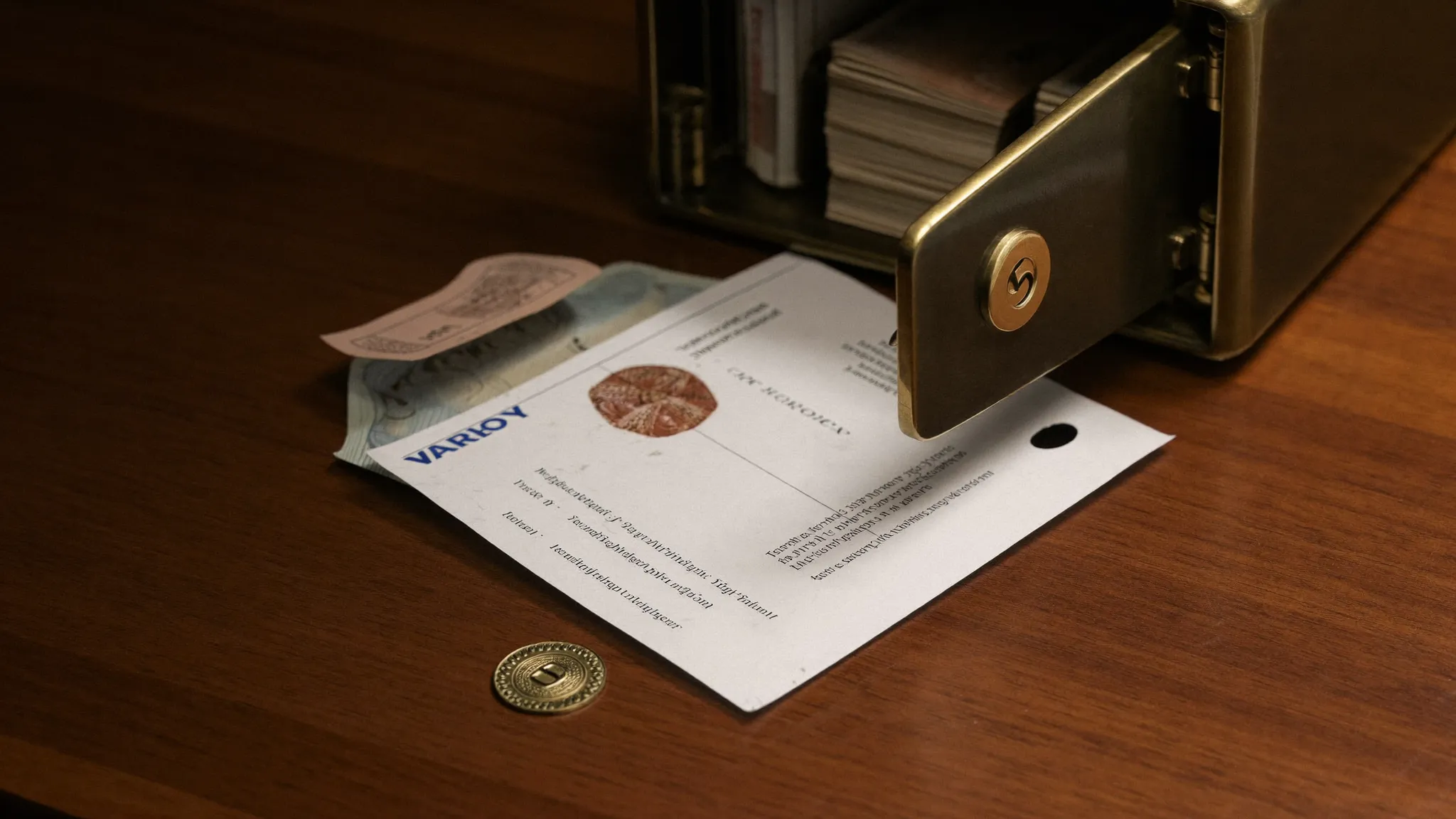
The settlement statement (the ALTA-style closing statement) is the document that controls every dollar that moves through escrow. It lists every credit and debit for both buyer and seller, line by line. The escrow agent cannot disburse a dollar that isn't on the statement, and any change to the statement after signing requires both parties' written approval. After the deed records, the agent sends the final ALTA statement, the recorded deed, the recorded mortgage (if any), the title policies, and a closing package to both parties for their records. The fully executed file becomes part of the title company's permanent record under retention rules set by the underwriter and by the Florida Department of Financial Services.
Why Escrow Closing Services Matter So Much
Without escrow closing services, buyers and sellers would exchange large sums of money directly, with no neutral oversight, no enforceable disbursement order, no verified payoffs, and no recording chain of custody. The risks are obvious. A seller could take the buyer's check and walk away without delivering a signed deed. A buyer could record a deed signed by a seller whose mortgage was never paid off. Lien-holders could go unpaid. Real estate commissions could be skipped. Documentary stamps could be undercollected, exposing the parties to state penalties. Escrow services eliminate every one of those risks by interposing a regulated, audited, insured neutral between the parties. The cost is small, a few hundred dollars in settlement fees, and the protection is enormous.
Choosing the Right Escrow Closing Agent in Florida
Not all Florida escrow agents are equivalent. A licensed title agent backed by a major underwriter (Fidelity National, First American, Old Republic, Stewart, WFG, Doma) operates under both state DFS oversight and underwriter audit. A well-run agent quotes your closing in writing before contract signing. It holds every dollar in a properly segregated trust account and runs the title search promptly. It also surfaces any defect in time to cure it, then disburses without delay once the file funds. The wrong escrow agent, usually one that's understaffed, undertrained, or operating without underwriter oversight, produces missed deadlines, surprise charges, and post-closing problems.
How to Verify Your Escrow Agent Before You Wire
Wire fraud is the one risk on this page that can cost you the entire purchase price, so verify before you send.
Start with the license. The Department of Financial Services licenses Florida title agents. Its public licensee search confirms both the agency and the individual in about a minute. An agent who cannot be found there should not be holding your money.
Next, confirm the trust account. Ask directly whether escrow funds sit in a segregated trust account subject to underwriter audit. The answer should come back immediately and without hedging.
Then handle the wire itself the old-fashioned way. Call the number on the title company's website, not the number in the email, and read the instructions back to a person. Never accept changed wire instructions by email, no matter how ordinary the message looks. Criminals watch real estate email threads for weeks. Then they send their version at exactly the right moment.
Finally, call after you send to confirm receipt. Catching a misdirected wire within 24 hours is the difference between a recall that works and one that does not.
Bottom Line
Escrow closing services are what keep a Florida transaction safe and orderly. The escrow agent is the neutral third party that holds funds, verifies conditions, runs the closing, and distributes money according to the settlement statement. Verified Title is the escrow agent on every transaction we handle, across all 67 Florida counties, and every file runs through a regulated trust account with full underwriter backing. For more on what we cover at closing, see our title services overview, or review the Florida Department of Financial Services title licensing guidance at myfloridacfo.com.