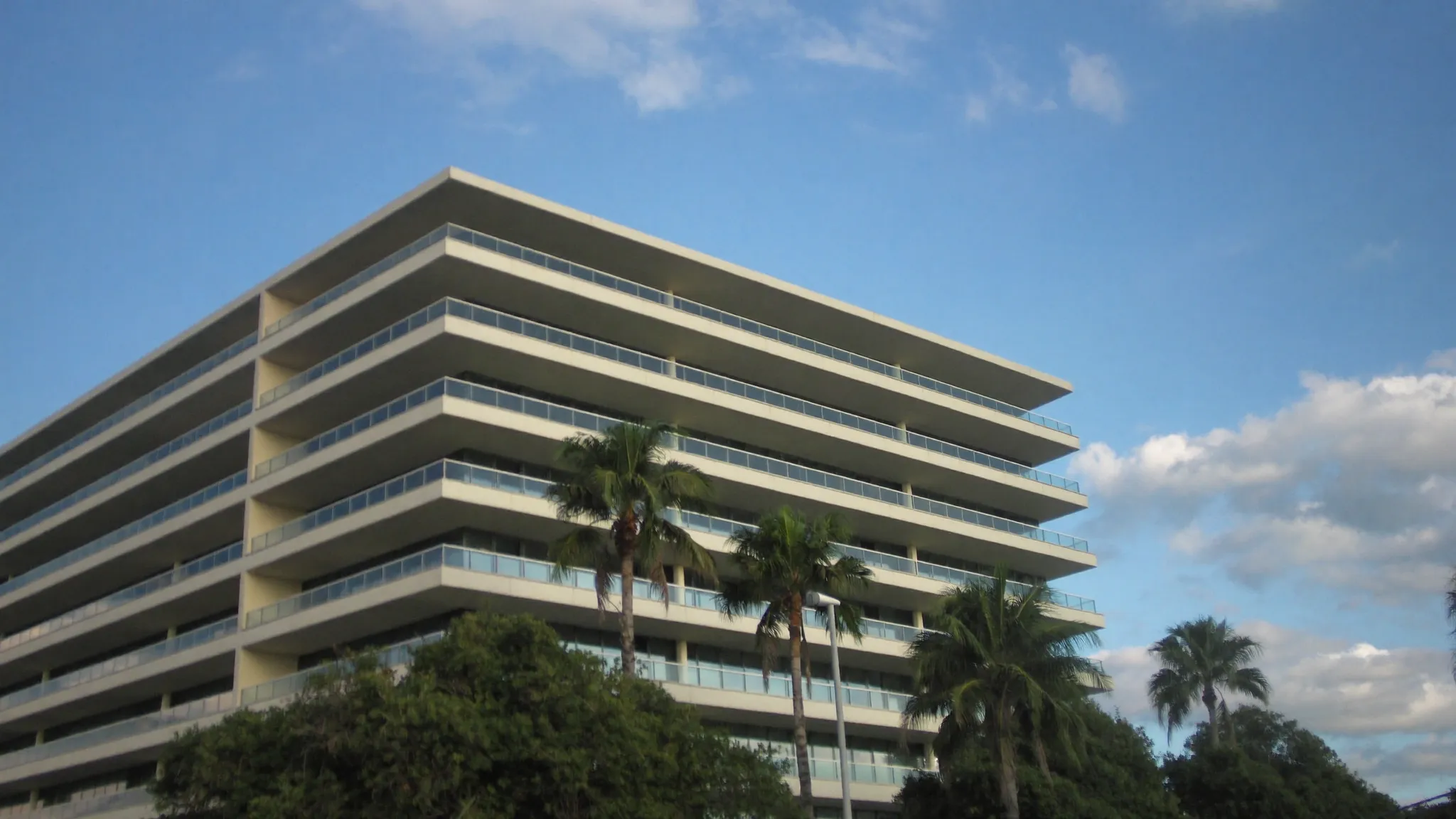
Commercial title insurance in Florida is built for a different kind of transaction. Residential closings run on a tight rail — single-family homes, fairly clean entity structures, predictable lender requirements, and a small set of endorsements. Commercial deals run on a wider track. Multi-tenant buildings, ground leases, condominium-of-condominium structures, large-acre agricultural assemblages, mixed-use development sites, and bulk portfolio purchases all have their own quirks. The commercial title insurance product is engineered to absorb that complexity. Here is a working breakdown of what commercial title insurance covers in Florida. It also shows where the coverage differs from a residential policy, and why the diligence load runs higher on every commercial file.
Entity Vesting: Who Actually Owns the Property
In commercial real estate, property is almost never held by an individual. Limited liability companies, S-corps, C-corps, limited partnerships, real estate investment trusts, land trusts, tenant-in-common arrangements, and Delaware Statutory Trusts all show up regularly on Florida commercial closings. Each entity type carries different documentation requirements. The title company has to confirm four things about the entity. It must be properly formed in its own jurisdiction. It must stand in good standing with the Florida Division of Corporations, or with its home state. If it is a foreign entity, it must be authorized to do business in Florida, and the person signing the deed must hold actual authority to bind it. That last piece is the catch — entity authority is a frequent source of post-closing disputes. The title underwriter typically requires a current good standing certificate, operating agreement or bylaws, a resolution authorizing the sale, and an officer's certificate confirming the signer's authority. None of that paperwork is required on a typical residential closing.
Survey Endorsements Remove the Standard Survey Exception
Commercial title insurance almost always includes an ALTA survey endorsement. The endorsement requires the buyer to commission a current ALTA/NSPS Land Title Survey, and the 2021 standard is the current revision. That survey maps the boundaries, improvements, easements, encroachments, and access points. Once delivered, the title company removes the standard survey exception from Schedule B-II and insures against boundary and improvement defects the survey discloses. Residential closings rarely involve a current ALTA survey because the cost (often $2,500 to $10,000) is not proportionate to a single-family transaction. On a $5 million commercial building, the survey cost is rounding error and the coverage it unlocks is essential.
Zoning and Access Endorsements
Two endorsements show up on most Florida commercial deals and almost no residential deals. The ALTA 3 series covers zoning. It confirms the property's legal use classification. Some versions break that out further, by the structures actually on the site, the parking ratio, and the height and setback rules in the local code. The ALTA 17 series (Access and Entry) confirms that the property has insured legal access to one or more named public streets. Both are bought because commercial assets are valued based on what can be built or operated on them, and a zoning or access defect can collapse the valuation. Title companies in Florida coordinate the zoning endorsement with the local planning and zoning department. That adds 7 to 14 days of due diligence beyond the standard search.
Environmental Issues That Show Up in the Title Search
Title insurance does not cover environmental contamination — that is what a Phase I and Phase II Environmental Site Assessment, plus a separate environmental insurance policy, are for. But the title search routinely turns up recorded notices that intersect with environmental risk. Several environmental filings land in the official records book, and each one has to be cleared before closing. The list runs to notices of violation from the Florida Department of Environmental Protection, EPA Superfund or CERCLA notices, and restrictive covenants limiting groundwater use. It also includes engineering or institutional controls recorded after a remediation, plus brownfield agreements. A commercial title company that ignores these recorded environmental notices is exposing the buyer to an unbounded post-closing liability the title policy will not cure.
Mechanic's Lien Exposure on Active Development Projects
Construction changes the picture. Closing on a partially developed site, refinancing a building mid-renovation, or acquiring an asset with open contractor work all invoke Florida's broad mechanic's lien statute under FS Chapter 713. Mechanic's lien rights in Florida arise from the date of first improvement, not the date of recording. So contractor and subcontractor liens can attach to title before they ever appear in the public record. Commercial title companies in Florida address this through extended mechanic's lien coverage in the policy. That coverage has conditions. It requires lien waivers from every contractor and subcontractor with potential rights. The notice of commencement and its termination both have to be recorded properly. The owner also signs an affidavit certifying no unpaid construction obligations. This entire workstream is irrelevant to a finished residential resale and central to almost every commercial development closing.
Higher Premiums, Custom Underwriting
Florida commercial title insurance is still governed by the same promulgated rate schedule as residential, but commercial files almost always carry endorsements that adjust the effective cost. The base premium is calculated under FS §627.7841, but extended coverage, mechanic's lien endorsements, zoning, survey, and access endorsements each add a defined charge. On a $10 million Florida commercial closing, the all-in title cost typically runs in the low five figures. That is small relative to the asset, and meaningful in what it protects. Custom underwriting also means the underwriter may issue policy modifications specific to the transaction. Those can delete standard exceptions, expand the definition of insured, or add affirmative coverage on a specific risk. None of it exists on a residential policy.
Common Commercial Title Pitfalls in Florida
A short list of issues that show up repeatedly on Florida commercial closings. First comes foreign entity registration. An out-of-state LLC selling Florida commercial real estate has to register as a foreign LLC with the Florida Division of Corporations. Otherwise the deed conveys defectively. Second come parking and access easements on shopping centers. Someone carved them out in the 1980s and never recorded them properly. Now they stand between the buyer and free use of the parcel. Third, expired or never-recorded ground leases that affect the fee owner's ability to convey clear title. Fourth, billboard and cell tower easements that look harmless on the schedule but constrain redevelopment value. Fifth, recorded development orders and conditional uses that travel with the land and limit what the next owner can build. A buyer who relies only on a residential-style title search will not catch most of these. A commercial title company with Florida-specific underwriting experience surfaces all of them on the front end.
Refinancing a Commercial Building: Title Considerations
Commercial refinances in Florida are typically run through a loan policy (lender's title insurance) issued at the new loan amount, not a new owner's policy. The title company runs an updated search from the date of the prior policy forward. It looks for any new liens or encumbrances recorded since that closing. If there has been recent construction, it also addresses mechanic's lien exposure. Florida intangible tax at $0.002 per $1 of new mortgage still applies, and so do documentary stamps on the note at $0.35 per $100. Together they add real cost to a commercial refinance. A buyer who refinanced inside the prior three years may also qualify for a reissue credit on the new policy premium. Ask your commercial title company to run the math before closing rather than after.
What to Deliver at Kickoff
A commercial file moves at the speed of its worst-prepared party. Send the purchase agreement and every amendment first, because the closing agent cannot draft anything without the final terms.
Then send the entity paperwork. That means the operating agreement or partnership agreement, a current certificate of good standing, and a resolution naming who may sign. Underwriters ask for all three on nearly every deal, and hunting for them in week six is exactly what delays commercial closings.
Include the prior owner's policy and the existing survey if either one exists. The prior policy can shorten the search and may support a reissue credit. The old survey tells the new surveyor what changed.
Finally, disclose construction. If a contractor has been on site in the last year, say so at kickoff. Mechanic's lien coverage takes time to assemble, and no underwriter will rush it.
Who Should Handle Your Florida Commercial Title File
The single biggest predictor of a clean commercial closing is the experience of the title company and the underwriter behind them. Commercial title insurance in Florida is a niche inside a niche. The teams that close these regularly know which endorsements the lender will require before the buyer's counsel asks. They anticipate entity authorization questions before the underwriter raises them. They also coordinate with environmental consultants, surveyors, and zoning attorneys without slowing the deal down. Verified Title handles commercial closings across all 67 Florida counties, including multi-parcel acquisitions, bulk portfolio transfers, refinances, and ground lease assignments. For the full closing process from contract to recording, see our commercial title services overview, or review the Florida regulatory framework for title insurance at the Florida Office of Insurance Regulation.